Camp Edwards Medical Training & Convalescent Center
To prepare for the coming war, the U.S. War Department drafted the Protective Mobilization Plan of 1939 (PMP). It was a massive planning document containing numerous detailed subordinate plans. The Medical Department’s Surgeon General issued a Protective Mobilization Plan in 1939 that called for the Army to build new hospitals and develop new medical training methods.[1]
Three types of “fixed” hospitals were developed or expanded. General hospitals contained 1000 beds, convalescent hospitals contained upwards of 3,000 beds, and station hospitals ranged from 25 to 750 beds. [2]
The US Army accelerated the expansion of the general hospital system on the home front by acquiring the use of civilian buildings. Over the course of the war, the military took over hundreds of buildings, including hotels. [3]
Station hospitals were fully staffed medical facilities. If they were located stateside, they would reside in a permanent building. If they were sent overseas, they could be housed in temporary places, including canvas tents, schools, hotels, and even Mediterranean villas. These station hospitals provided medical care in non-combat areas. While they were located behind the front lines, they were close enough to treat injured soldiers and send them back to the front lines.[4]
Medical Training
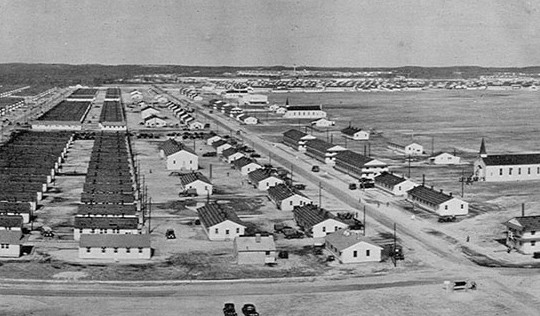
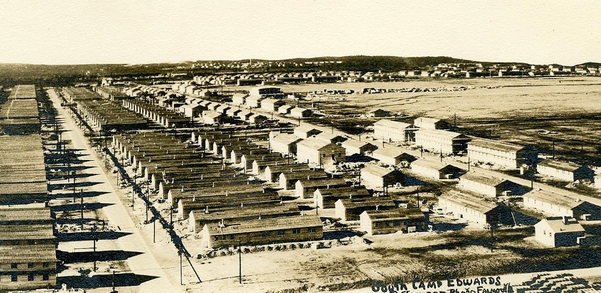
Using the Series 700 building construction plans for Camp Edwards, General Hartman built a massive complex of hospital units supporting the medical needs of the 30,000 soldiers stationed at the camp. 82 buildings were eventually constructed with a 1,722-bed capacity. [5]
7th Station Hospital
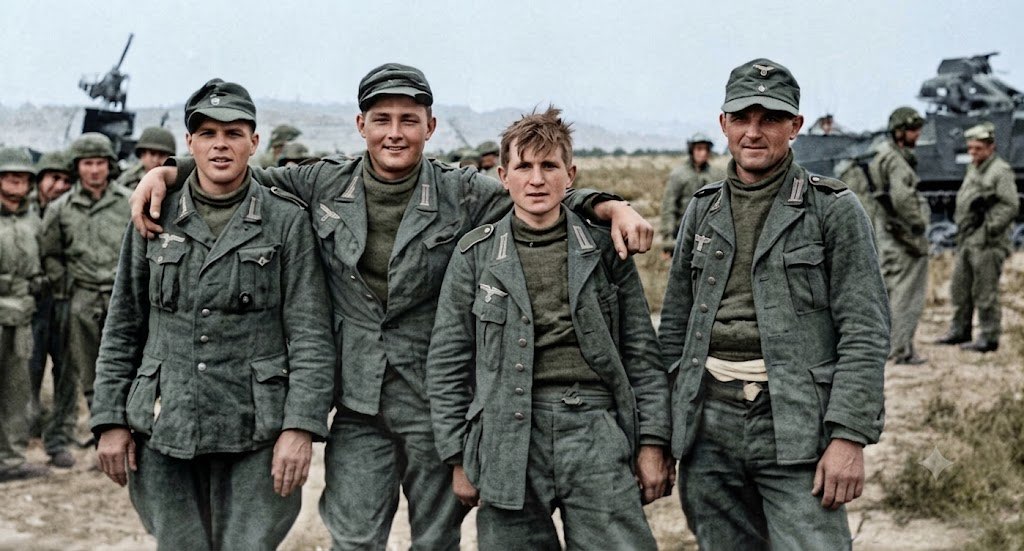
In February 1941, the 7th Station Hospital was activated at Camp Edwards, with its original focus on the treatment and care of American soldiers stationed at the camp. Eventually, wounded German soldiers were also housed at Camp Edwards and treated in this same hospital complex.
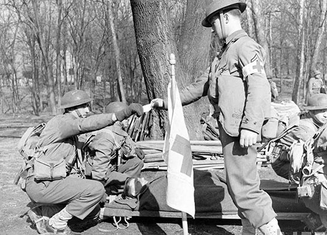
In early 1942, it was decided that the 7th Station Hospital would serve as a training facility for newly activated units. Within a short time, 4 medical officers and 75 enlisted men were authorized to develop 13-week medical training programs to prepare U.S. personnel to become medics, nurses, and doctors stationed outside the United States. The list of programs included medical technical programs, administrative training, sanitation training, and instruction in driving medical vehicles. It was one of the first station hospitals activated before the U.S. entered WWII.
By March 1942, things were moving very fast, and the 7th Station Hospital was combined with several other hospital units, including the 3rd Convalescent Hospital. Eight such units having been established, they were grouped to form the VI Army Corps Hospital and Medical Training Center. The 7th Station Hospital was moved to the United Kingdom in October 1942 and then to Oran, Algeria.[6]
Convalescent Hospitals focused on helping soldiers either to return to duty or to prepare for return to civilian life. Occupational therapy and physical training were emphasized hiking, participation in sports activities, strength training, and psychiatric assistance. Under the direction of the Surgeon General, 8 Convalescent Centers were initially established, and Camp Edwards was one of the first.[7]
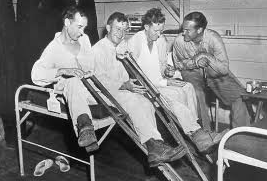
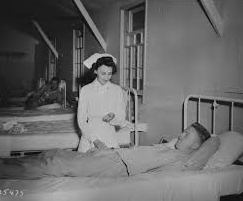
The Camp Edwards Convalescent Hospital became a major training and rehabilitation facility serving as a center for training specialized hospital units, including an intensive training program for the Women’s Army Auxiliary Corps (WAAC). In 2 years, they trained some 2,500nurses. [7]
Convalescent Trains
In 1943, the United States Army purchased an initial 320 railroad train cars that were quickly converted to hospital cars. 120 of these cars had been Pullman sleeper and lounge cars and were redesigned to carry 32 berths arranged in 2 tiers. For soldiers less injured, 200 cars were redesigned to hold 36 patients in 3 tiers. These cars had air conditioning and were modified to include side doors so they could receive the injured soldiers. Each train would include 2 doctors, 1 nurse, and 14 enlisted men per 100 patients. A kitchen, pharmacy, bedding, and ward dressing cars were soon added.[8]
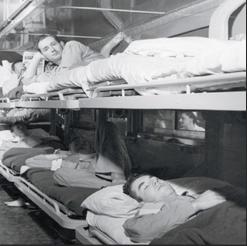
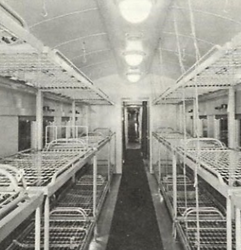
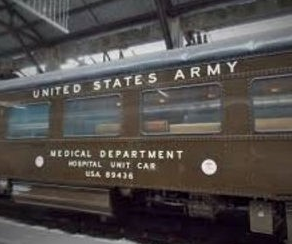
Converted Pullman cars
When wounded soldiers were brought back to the U.S., they would be sent to the convalescent and rehabilitation hospitals. Once soldiers received the needed medical care and rehabilitation, they would board these hospital trains and be transported to their local hospitals. [9]
Camp Edwards Convalescent Hospital, dispatched trains crisscrossing the United States, and became famous as one of the facilities that pioneered the convalescent train concept. [10]
Cited Work
1. Taylor, Richard, Medical Department, United States Army in World War II Medical Training, Office of the Surgeon General Department, 1974, pp. 14, 15
2.Sarah Sundin, “Hospitalization in World War II- Mobile and Fixed Hospitals”, Sarah Sundin Blog, Thursday June 13, https://campedwards.ng.mil/About-Us/History/
3. Haack, Hannah, “Places of Healing: Hotels Join the World War II Home Front Effort” National Park Service , January 2022 https://www.nps.gov/articles/000/places-of-healing-hotels-join-the-world-war-ii-home-front-effort.htm#end-ref1
4. Sarah Sundin, “Hospitalization in World War II- Mobile and Fixed Hospitals”
5.”Camp Edwards, Cape Cod’s World War II City” , New England Historical Society:https://newenglandhistoricalsociety.com/camp-edwards-cape-cods-world-war-ii-city/
5. Sundin, Sarah, “Hospitalization in World War II- Mobile and Fixed Hospitals”, Thursday June 13, 2024, Sarah Sundin Blog, https ://www.sarahsundin.com/hospitalization-in-world-war-ii-mobile-and-fixed-hospitals/
6. “7th Station Hospital”, Unit History, WW2 US Medical Centre, https://www.med-dept.com/unit-histories/7th-station-hospital/
7. “Convalescent Centers: Hospitals”,WW2 Military Hospitals, WW2 Medical Centre https://www.med-dept.com/articles/ww2-military-hospitals-zone-of-interior/
8. “Camp Edwards History” Massachusetts National Guard https://massnationalguard.org/
9. ”Facts on the tracks Lesson 2: Hospital Trains” , Gold Coast Railroad Museum https://www.goldcoastrailroadmuseum.org/hospital-trains
10. Fleming, Micheal,“United States Army Hospital Trains : A Brief History of American Rail Casualty Transportation” https://www.nmra.org/sites/default/files/sr201508hospital.pdf
Recommended Sources for further detail and inquiry:
WW2 US Medical Research Centre, About Us | WW2 US Medical Research Centre
Gold Coast Railroad Museum https://www.goldcoastrailroadmuseum.org/hospital-trains
Fleming, Micheal,“United States Army Hospital Trains : A Brief History of American Rail Casualty Transportation” https://www.nmra.org/sites/default/files/sr201508hospital.pdf
Sarah Sundin blog,https://www.sarahsundin.com › today-in-world-war-ii-h…
Related Articles
Camp Edwards - It All Started Here