In the decade following WWI, the United States entered an economic depression. Coupled with the loss of life during the Great War, people viewed entering that war as a mistake. Americans wanted their country to stay out of foreign entanglements. [1]
Between 1935 and 1939 the US Congress passed the Neutrality Acts, which prevented American shipping (and citizens) from becoming entangled in outside conflicts. This isolationist movement contributed to the U.S. military being left underfunded and understaffed. During the 1930s, the US Army had only 190,000 active personnel. They ranked 19th in the world, smaller even than the Portuguese army. [2]
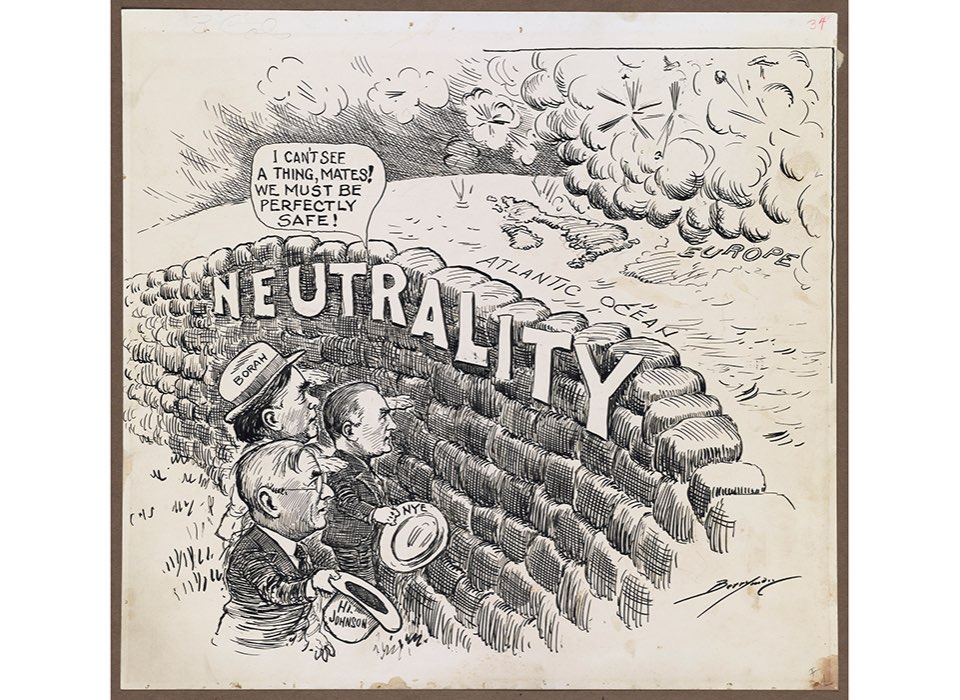
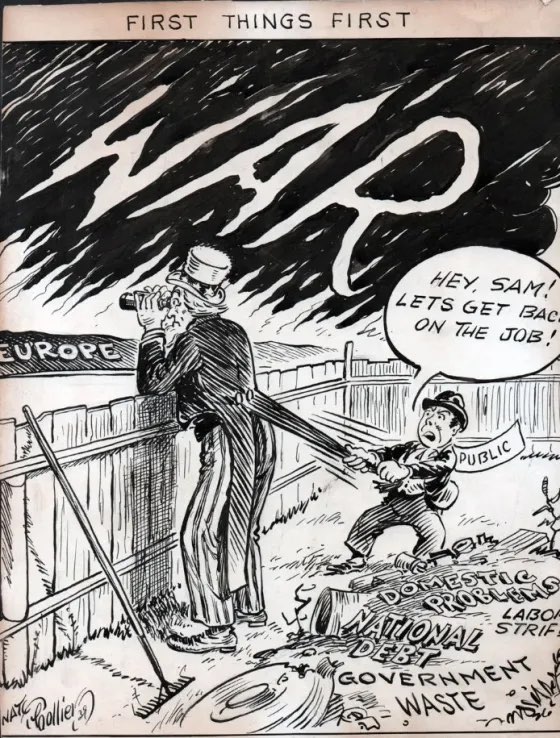
In 1935, George Gallup created a highly successful research firm that tracked public opinion. His research found that during the early 1930s, Americans overwhelmingly supported staying out of world affairs. [3]
Famous cartoon by Clifford Berryman from 1939 showing 3 prominent isolation senators looking at a wall and ignoring Europe in the distance
Famous Isolation cartoon drawn by Nathan Leo "Nate" Collier on March 18th, 1939
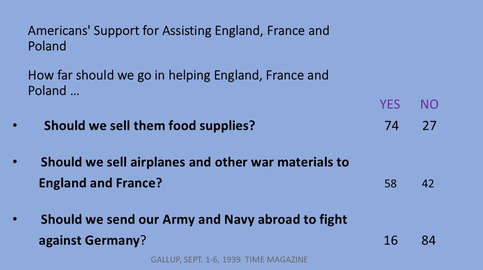
However, as Japan and Germany rearmed, Americans began to take notice, and public opinion was changing. Gallop’s 1939 polling data confirmed that a majority of Americans supported increased defense spending. [4]
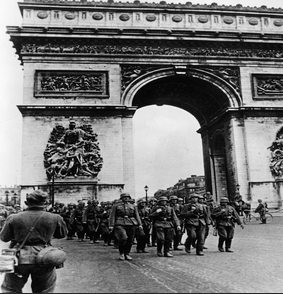
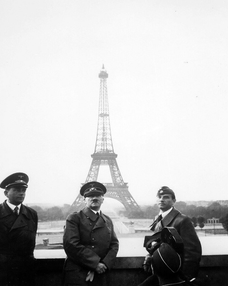
In 1940, Adolf Hitler’s German armies quickly overran Belgium, the Netherlands, and Luxembourg. After Germany then defeated France in six weeks, President Roosevelt and the US military realized they needed to prepare for a potential war as soon as possible.
German troops entering Paris, 1940
Adolf Hitler in Paris 1940
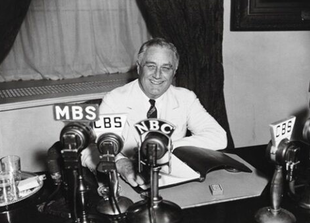
Using his “fireside” radio chats, the President made a case that Great Britain needed to be supported against its struggle with Nazi Germany. He successfully shifted American public opinion toward interventionism. With strong support from politicians, newspapers, and movie stars, Roosevelt got Congress to move quickly. [5]
President Roosevelt giving “fire side chat”
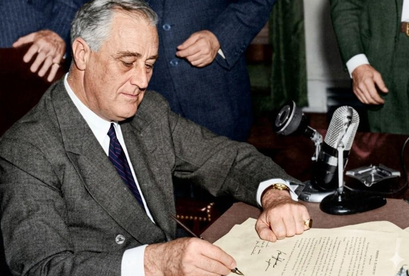
On September 16, 1940, President Franklin Roosevelt signed into law the Selective Training and Service Act. It was the first peacetime draft in American history and required that all men aged 21 to 35 register with their local draft boards. Except in times of war, the act capped the number of men to be trained at 900,000. 6 It also stipulated “ that no men shall be inducted for such training and service until adequate provision shall have been made for such shelter, sanitary facilities, water supplies, heating and lighting arrangements, medical care, and hospital accommodations, for such men…” [7]
President Roosevelt signed the Training and Service Act
In quick succession, Congress passed several defense appropriations bills that provided billions of dollars for defense spending. To encourage private companies to build defense plants, in 1940 Congress passed the Revenue Act of 1940 and the Cost-Plus-a-Fixed-Fee Contracts Act (CPFF), which guaranteed that the United States government would cover all costs plus a set profit margin.⁸
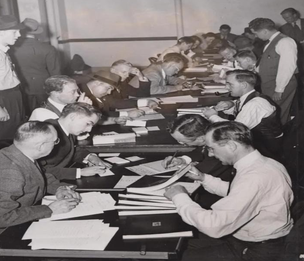
Attitudes had changed, and young men supported the draft. On October 16, 1940, known as “R Day (Registration Day),” 16 million men registered at their local draft boards. Harvard University saw 4,700 students and faculty register that day. [9]
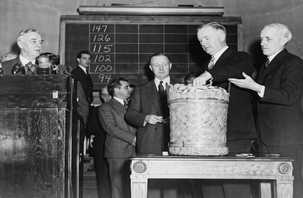
Less than two weeks later, the first draft lottery was held on October 29, 1940.
Young men in Chicago in 1940 signing up for the draft
First peacetime military draft on June 29th, 1940.
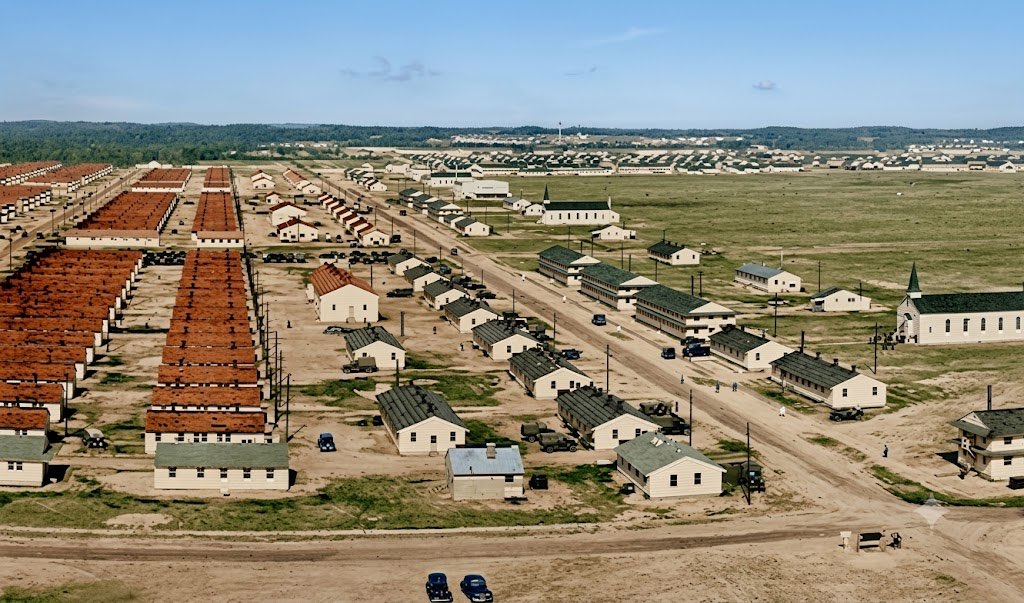
Within just a few short months, the United States government had made a tremendous course change to rearm the country and prepare for war. Rapid mobilization had begun, and Camp Edwards became an important starting point toward this effort.