German Prisoners at Camp Edwards


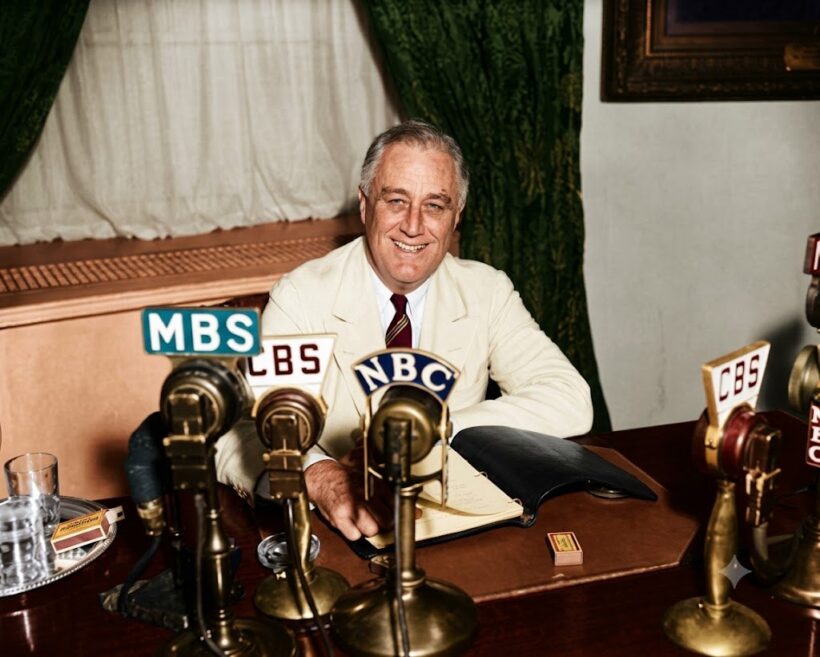
As World War II dragged on, Great Britain found itself running out of space to house captured prisoners, and so, in 1941, President Franklin Roosevelt was asked to relieve some of this burden and to accept some of Britain’s prisoners of war (POWS). Reluctantly, he agreed, and camps were quickly set up in almost every state. After US Liberty ships transported US soldiers and goods to Europe, POWs were then put on the returning ships with as many as 30,000 arriving each month. [1] 

By the end of the war, the United States had accepted some 425,000 POWs located in over 500 camps across the country. Although camps were established in most of the states, they were typically located in warmer climates and away from war factories across the Midwest, the South, and Southwestern states.  [2] 

Camp Edwards  

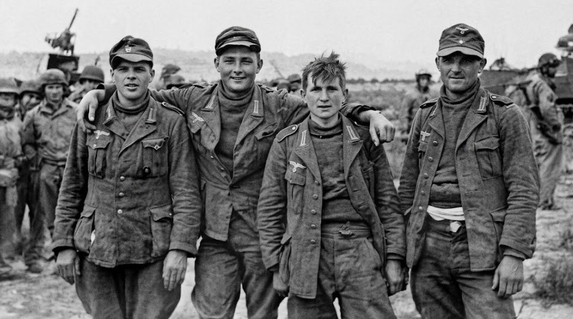
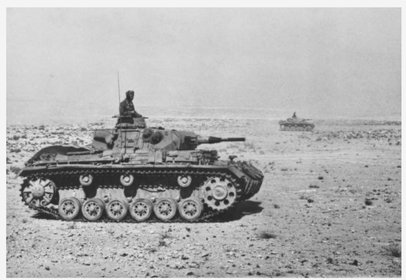
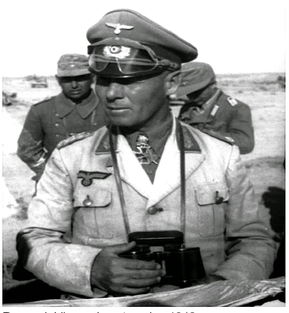
Some prisoners arrived in early 1943. Most of the POWs sent to Camp Edwards arrived in 1944. The largest group was from Germany, followed by Italy. Many of the German prisoners were from Field Marshall Erwin Rommel’s Africa Korps, which had been defeated in North Africa. [3] 

panzer
Afrika Korps Panzer tank used in North Africa
field marshall
German Field Marshall Erwin Rommel 1942
soldiersstanding germanprinsoners
Group of German soldiers captured by Allies

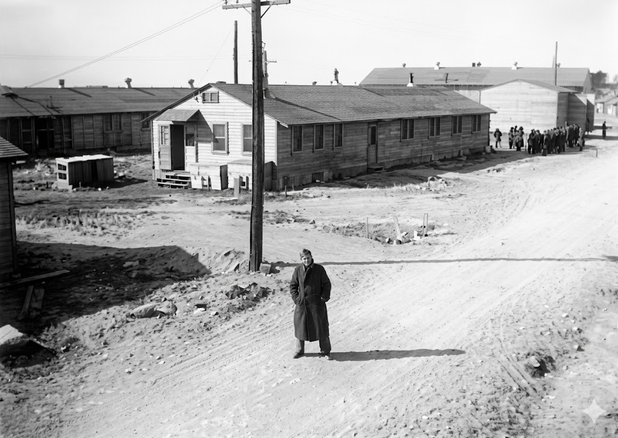
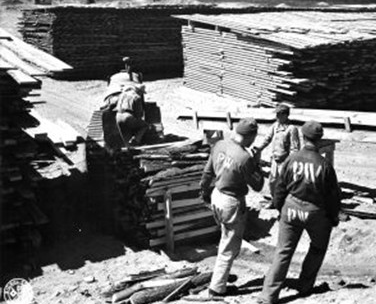
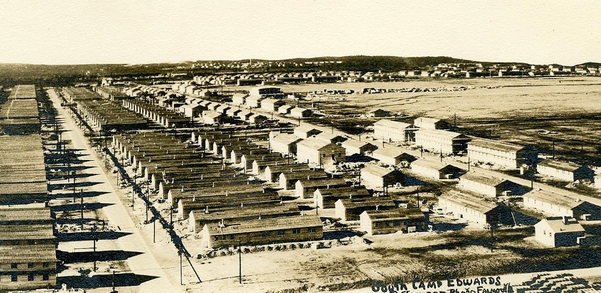
The Camp Edwards prisoner housing was built slightly apart from the main barracks. To secure prisoners, a stockade was erected and surrounded by two barbed-wire fences, with the interior fence electrified. The camp had an infirmary, a two-story barracks, a recreation building, and a guard tower. Prisoners were given clothing marked with the large letters POW.  Over the course of the war, Camp Edwards held some 5,000 prisoners. [4] 

campedwards standing
Lone German POW walking past his barracks

POWs lived in barracks and were fed meals similar to those of the base soldiers. Under the provisions of the 1929 Geneva Convention, prisoners would typically undertake a wide range of tasks. Inside Camp Edwards, POWs served as cooks, kitchen helpers, and garage mechanics.  


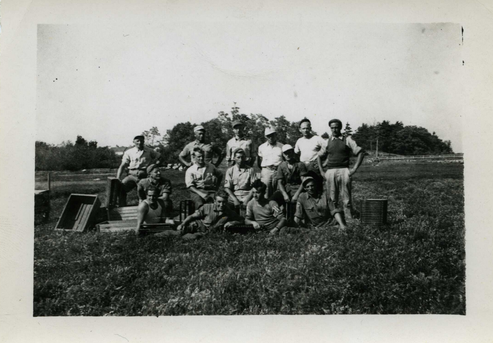
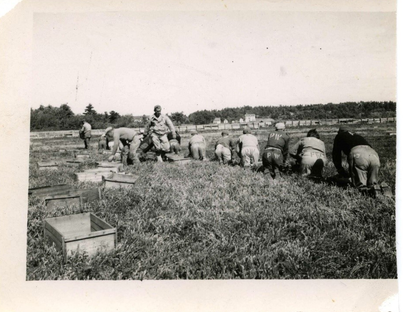
Outside the camp, prisoners were hired as contract laborers assisting farmers in harvesting crops such as strawberries and cranberries. The Duxbury Cranberry Company used German prisoners to harvest cranberries in 1944.[5] They posed for a group picture with their hand scoops and crates. Also in that year, German prisoners helped local Falmouth farmers pick 90,000 quarts of strawberries. [6] 

groupphoto
Photo taken by Kenneth Garside, owner of Duxbury Cranberry Company
kenneth g
Garside, Kenneth G. (photographer)-University of MA Amherst

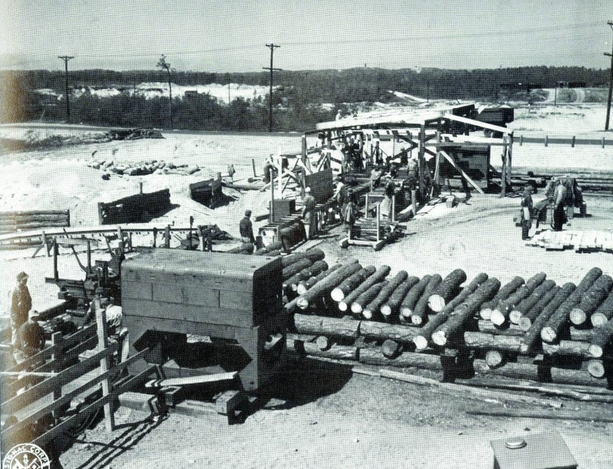
In 1944, the Great Atlantic Hurricane hit Cape Cod. The high winds felled trees and damaged harbors and utility lines. The POWs went to work operating portable saw mills, repairing damage to boatyards, and repairing roads. [7]

lumbermill
POWs operating portable saw mills
movinglogs
POWs wore clothes with PW that identified them as prisoners of war

In the 1929 Geneva Convention, one provision required that prisoners be paid for their outside labor. [7] At Camp Edwards, the day rate ranged from $.80 to $1.20. Prisoners were paid in canteen coupons. At the base post exchange, they could purchase a wide range of articles, including cigarettes, candy, other food items, clothing, and books.  [9] 


At Camp Edwards, prisoners were provided with a recreation area where they could play soccer, read books and magazines, and stage plays. A camp chaplain offered religious services. Although a few prisoners attempted to escape, all were caught within a few days.  

capturing
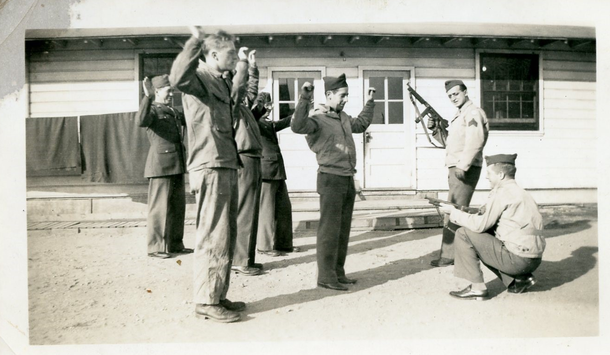
Recent arrival of German prisoners

The local press visited and published stories about the POWS at Camp Edward. Some locals appreciated the compassion shown to the prisoners, but others thought they should be treated more harshly. They pointed out that the U.S. was still in a depression and American troops were dying at the hands of the Germans. [10]

A few long-time residents on the Cape have recalled meeting the POWS. Jerry Ellis, a Bourne resident. He remembered that as a child living in Sagamore, he encountered two POWs visiting a neighbor, who worked at Camp Edwards.

“One of the prisoners noticed a book of ships on the ground. He asked me if I liked ships and told me he was in the navy”.

.A week later, Jerry saw one of the prisoners again at the neighbor’s house.

“Wrapped inside some newspaper was a hand-carved boat and a German military insignia from a prisoner’s uniform”.

He gave those as a gift to Jerry 11

Notes

1. Bowman, Micheal, “World War II Prisoner of War Camps”, The Encyclopedia of Arkansas History and Culture, March 28, 2011
https://encyclopediaofarkansas.net/entries/world-war-ii-prisoner-of-war-camps-2398/

2. Garcia, J. Malcolm. “German POWs on the American Homefront”. Smithsonian Magazine, September 15, 2009
https://www.smithsonianmag.com/history/german-pows-on-the-american-homefront-141009996/

3. Camp Edwards Training Site
https://campedwards.ng.mil/About-Us/History/

4. Taylor, Matt. “During WWII, Cape Cod had a busy POW camp”. Cape Cod Life 2016
https://capecodlife.com/prisoners-on-the-peninsula/

5. Lewis, George, Mewha, John. “History of Prisoner of War Utilization by the United States Army 1776-1945” Department of the Army. June 1955
https://apps.dtic.mil/sti/tr/pdf/ADA438000.pdf

6. Massachusetts National Guard. Camp Edward History March 16, 2026
https://massnationalguard.org/camp-edwards-history/

7. Taylor, Matt. “During WWII, Cape Cod had a busy POW camp”. Cape Cod Life 2016
https://capecodlife.com/prisoners-on-the-peninsula/

8. Lewis, George, Mewha, John. “History of Prisoner of War Utilization by the United States Army 1776-1945,” Department of the Army. June 1955
https://apps.dtic.mil/sti/tr/pdf/ADA438000.pdf
9. Scanlon, Deborah. “Prisoners of War on Cape Cod”. On Cape Magazine July 12, 2023
https://oncapemagazine.com/prisoners-of-war-on-cape-cod/

10. Taylor, Matt. “During WWII, Cape Cod had a busy POW camp”. Cape Cod Life 2016
https://capecodlife.com/prisoners-on-the-peninsula/

11 Scanlon, Deborah. “Prisoners of War on Cape Cod”. On Cape Magazine July 12, 2023
https://oncapemagazine.com/prisoners-of-war-on-cape-cod/

12 Scanlon, Deborah. “Prisoners of War on Cape Cod”. On Cape Magazine      July 12, 2023  https://oncapemagazine.com/prisoners-of-war-on-cape-cod/ 

For in depth analysis of POW’s work around the US 

 Lewis, George, Mewha, John. “History of Prisoner of War Utilization by the United States Army 1776-1945,” Department of the Army. June 1955 https://apps.dtic.mil/sti/tr/pdf/ADA438000.pdf 
 

Related Articles

skyviewcamp

Camp Edwards - It All Started Here

Camp Edwards created the model for Army base mobilization in 1941-1942
firesidecolor

Preparing for War Before 1941

Why did America begin to prepare for war in 1940
Scroll to Top